Best Materials for Outdoor Hammocks: A Complete Guide
The best materials for outdoor hammocks are solution-dyed nylon, polyester, and high-density polyethylene (HDPE) rope, chosen for their strength, UV resistance, and quick-drying properties. These fabrics and ropes withstand sun, rain, and repeated use, making them ideal for camping, backyard lounging, and travel.
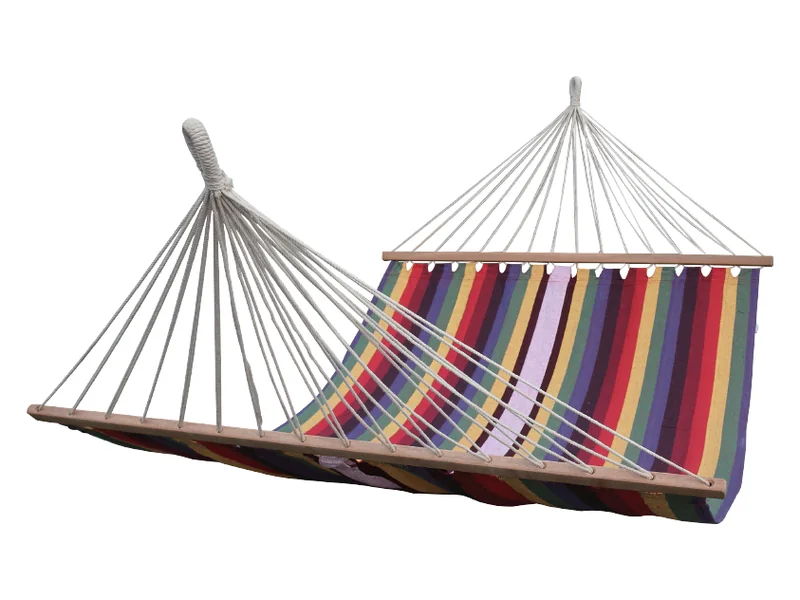
What Is the Best Fabric for an Outdoor Hammock?
Solution-dyed nylon is the top choice for outdoor hammocks because the color is added before the fibers are extruded, so it resists fading and UV damage far better than surface-dyed fabrics. Polyester is a close second, offering similar durability with slightly less stretch, which some users prefer for a firmer lay. Both materials dry quickly and resist mildew, a critical feature for hammocks left outside.
How Do Rope Hammocks Compare to Fabric Hammocks?
Rope hammocks, typically made from HDPE or polyester, provide excellent airflow and a classic look. HDPE rope is UV-stabilized and won't rot, making it a long-lasting option for sunny climates. However, rope hammocks can feel less supportive than fabric ones, so they suit relaxation rather than overnight camping.
Why Does Manufacturing Quality Matter?
Even the best materials can fail if stitching or weaving is poor. Working with an experienced hammock manufacturer china ensures consistent quality control, while a custom hammock factory can tailor fabric weight and hardware to your needs. Many brands rely on an oem hammock supplier to scale production without compromising durability.
Are There Eco-Friendly Material Options?
Yes, recycled polyester and organic cotton blends are increasingly popular. Recycled polyester reduces waste and performs nearly as well as virgin polyester, though it may have slightly lower UV resistance. Organic cotton is comfortable but less weather-resistant, so it's best for covered porches.
常见问题
What is the most durable material for an outdoor hammock?
Solution-dyed nylon and polyester are the most durable fabrics for outdoor hammocks because they resist UV fading, mildew, and stretching. HDPE rope is also highly durable for rope-style hammocks, as it won't rot or degrade in sunlight. The best choice depends on your climate and how you plan to use the hammock.
Can I leave a nylon hammock outside in the rain?
Nylon hammocks can handle occasional rain, but prolonged exposure to moisture can weaken the fabric over time. It's best to bring your hammock inside or use a rainfly when not in use. Even quick-drying materials last longer with proper care.
How do I choose between a rope and fabric hammock?
Choose a rope hammock for breathability and a traditional look, ideal for hot, dry climates. Choose a fabric hammock for better support and comfort, especially for camping or sleeping. Consider your priority: airflow or body support.